
AI-powered passive acoustic sensing
Passive Acoustic Intelligence for Security, Defense and Industry.
Quace Technologies develops AI-powered acoustic sensing systems that detect, classify and localize drones, vehicles, machinery and other acoustic sources using advanced microphone arrays, digital signal processing and edge AI.
Listen. Detect. Protect.
Operational challenges
Critical environments need another way to sense what is happening.
Drone incursions
Small, low-flying aircraft can approach below conventional coverage or operate without a reliable RF control link.
Border surveillance
Long, remote perimeters require persistent sensing that can identify activity without continuous illumination.
Critical infrastructure protection
Airports, energy sites and industrial facilities need an additional detection layer around complex perimeters.
GPS-denied environments
Operators need local situational awareness when satellite navigation or external communications are degraded.
Silent detection requirements
Defense and security missions may require passive sensing with no RF transmission or active illumination.
Industrial situational awareness
Subtle acoustic changes can reveal abnormal machinery behavior before it becomes visible to operators.
Core technology
Engineering spatial awareness from sound.
Quace combines microphone-array engineering, digital signal processing and artificial intelligence to create a passive detection layer for demanding operational environments.
Multi-channel MEMS microphone arrays
Synchronized microphone channels capture the timing and level differences required for spatial acoustic analysis.
Acoustic beamforming
Array processing increases directional sensitivity and helps isolate relevant sources within complex sound fields.
Sound source localization
Direction-of-arrival and localization algorithms estimate where detected acoustic events originate.
Edge AI processing
Low-latency inference close to the sensor supports real-time decisions and reduces upstream data requirements.
Digital signal processing
Filtering, spectral analysis and event extraction prepare multi-channel signals for classification and localization.
AI acoustic classification
Machine-learning models distinguish drones, vehicles, machinery and other operationally relevant sound signatures.
Passive sensing
The sensing layer listens without active RF transmission or illumination, supporting discreet persistent monitoring.
Sensor fusion readiness
Structured events and APIs allow acoustic intelligence to complement radar, RF, optical and security systems.
Product families
Acoustic intelligence for fixed, mobile and embedded deployments.
A modular sensing architecture supports persistent site protection, rapidly deployed systems and integration directly into autonomous or OEM platforms.
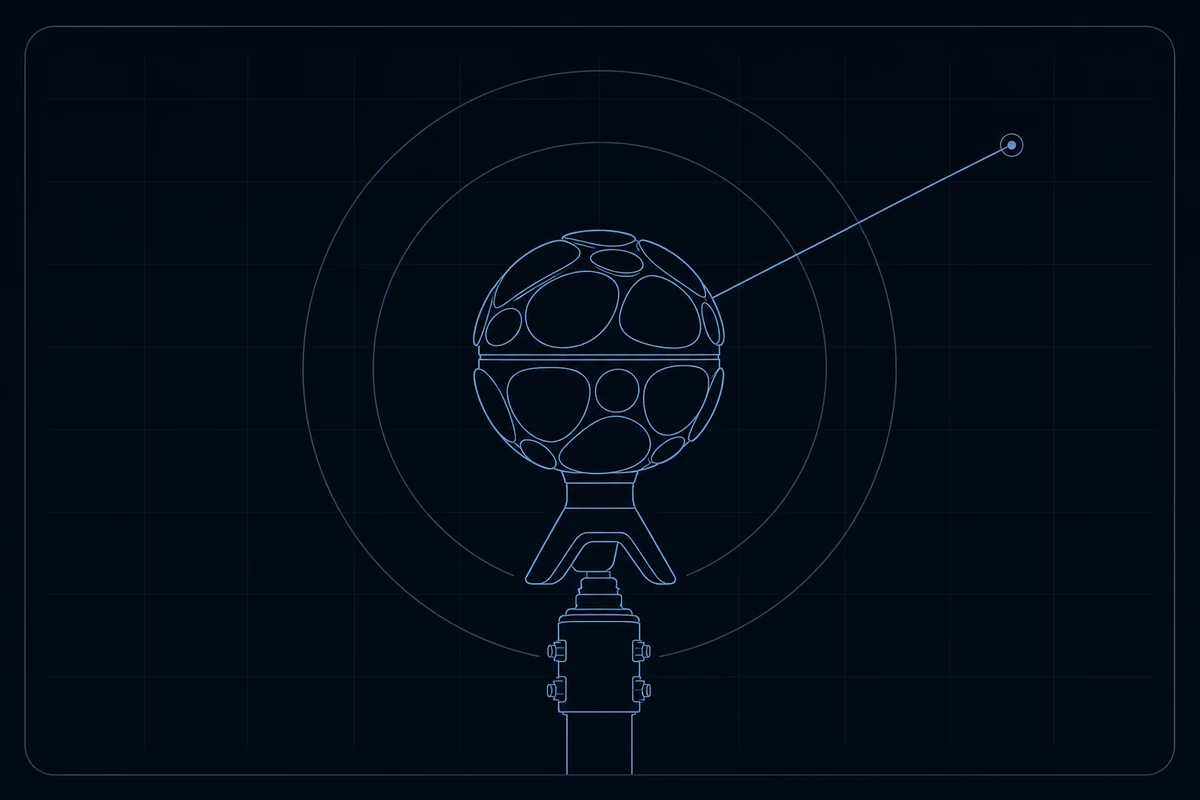
System family 01
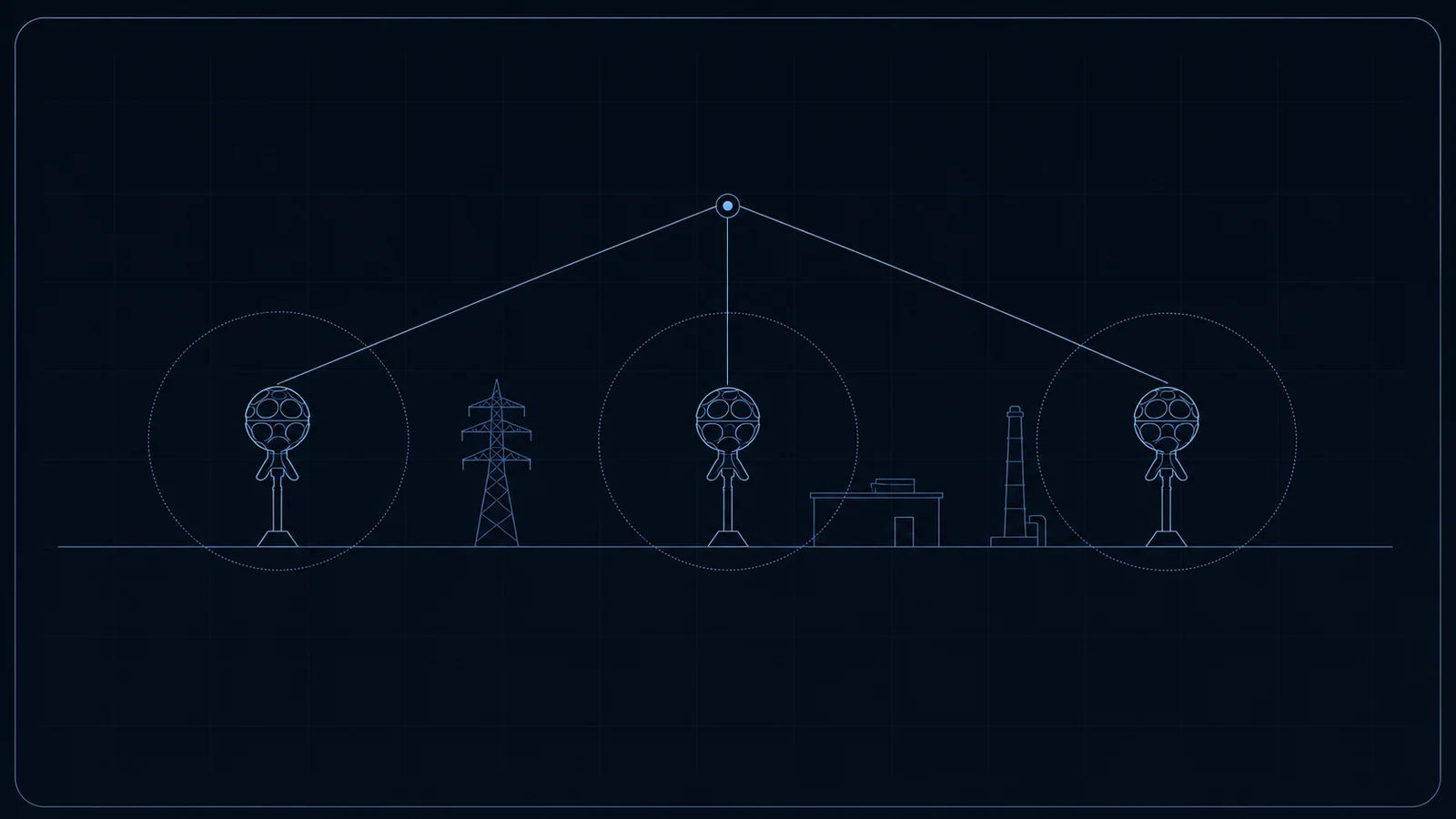
Stationary Acoustic Detection Systems
Persistent passive monitoring for fixed sites and wide-area security zones.
Key capabilities
- Distributed microphone-array nodes
- Continuous edge classification
- Direction and event localization
Deployment examples
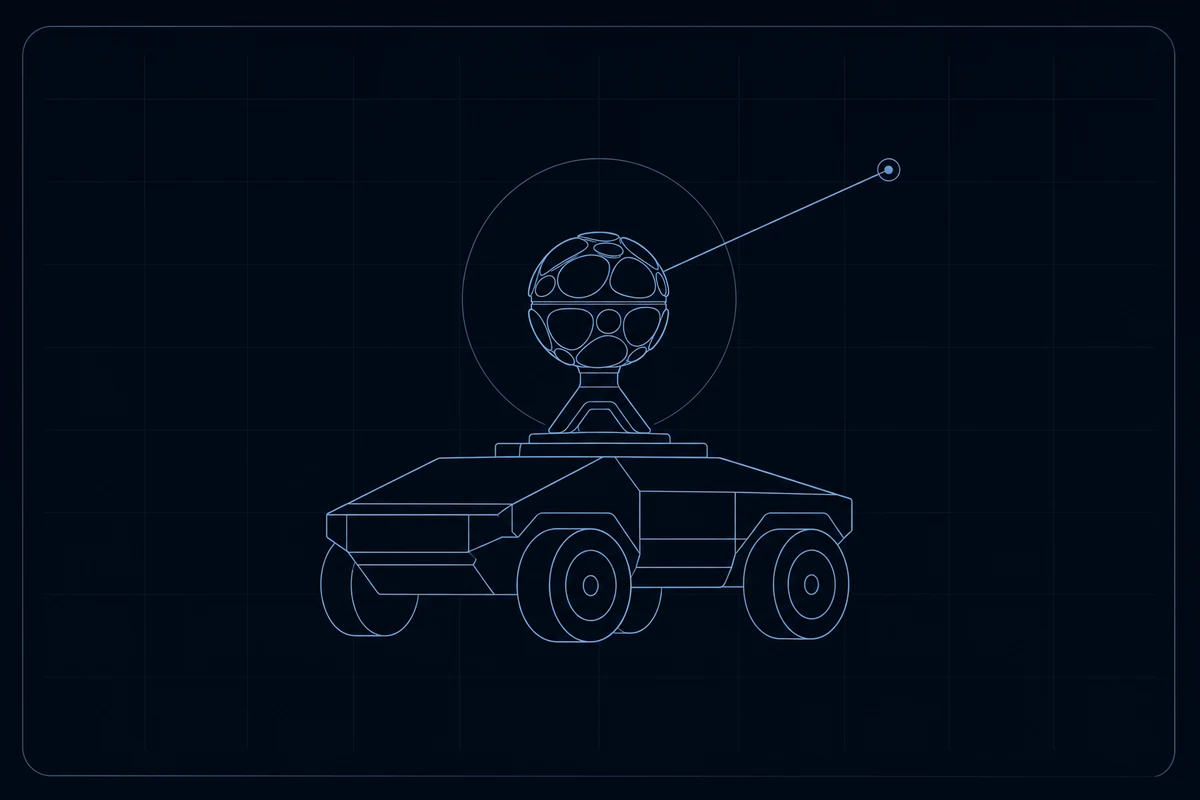
System family 02
Mobile Acoustic Detection Systems
Rapidly deployable sensing for missions, temporary coverage and moving platforms.
Key capabilities
- Vehicle-ready integration
- Low-latency edge processing
- Configurable communications
Deployment examples
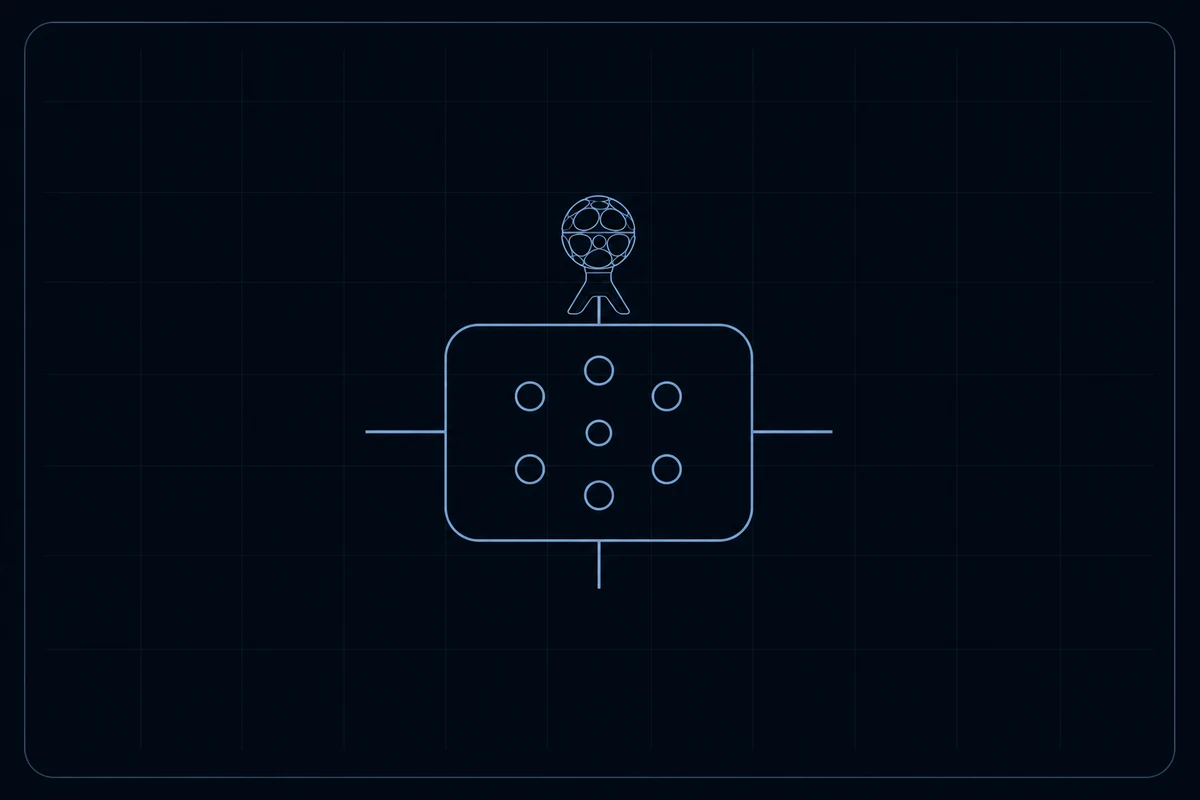
System family 03
Embedded Microphone Arrays
Compact multi-channel modules engineered for OEM products and autonomous systems.
Key capabilities
- OEM-ready array architecture
- Embedded DSP and AI options
- Application-specific geometry
Deployment examples
Applications
One sensing architecture across defense, security, industry and research.
Acoustic intelligence complements radar, RF, optical and operational systems with passive, spatially aware event data.
Drone Detection
Detect and localize acoustic signatures from low-flying unmanned aircraft as an additional sensing layer.
Example: Airport perimeter or restricted-site monitoring
Counter-UAS
Provide passive cues that can support identification, tracking and coordinated response workflows.
Example: Defense installation protection
Critical Infrastructure
Monitor sensitive facilities for drones, vehicles, alarms and other operationally relevant acoustic events.
Example: Energy, water or communications site
Defense
Extend situational awareness with a sensing modality that does not require RF transmission or illumination.
Example: Forward operating base or temporary position
Border Security
Support persistent monitoring across remote approaches where optical coverage or communications may be constrained.
Example: Remote land-border observation zone
Industrial Monitoring
Classify abnormal machinery sounds and localize events across production or logistics environments.
Example: Rotating equipment and production lines
Smart Cities
Create distributed awareness of selected acoustic events without relying on continuous optical recording.
Example: Transport corridor or public-space operations
Environmental Monitoring
Measure and classify sound sources to understand changing environmental conditions over time.
Example: Protected area or urban soundscape study
Wildlife Monitoring
Detect species activity and acoustic patterns across remote habitats with autonomous sensing nodes.
Example: Biodiversity and habitat observation
Autonomous Robotics
Add directional hearing and acoustic event awareness to mobile robots and autonomous platforms.
Example: UGV, UAV or inspection robot
System architecture
From acoustic energy to operational intelligence.
Each layer preserves the context required to detect, classify, localize and deliver relevant acoustic events across connected systems.
01
Environment
Drones, vehicles, machinery, wildlife and other sources generate acoustic energy across the monitored area.
02
Microphone Arrays
Synchronized multi-channel MEMS microphones capture spatial timing and level information from the acoustic field.
03
Digital Signal Processing
Beamforming, filtering, spectral analysis and localization transform raw signals into structured acoustic features.
04
Edge AI
Local inference classifies acoustic events in real time and forwards relevant information with low latency.
05
Cloud Platform
Connected services coordinate fleet health, analytics, event history, alerts and controlled model deployment.
06
Applications
Operator dashboards, APIs and system integrations deliver acoustic intelligence into security and operational workflows.
Industries
Dual-use acoustic technology for demanding markets.
Defense
Homeland Security
Industrial
Airports
Energy
Oil & Gas
Smart Cities
Research
Robotics
Government
Technical advantages
A complementary sensing layer engineered for operational systems.
Passive detection
Observe acoustic activity without active illumination or interrogation of the target.
No RF emissions
The acoustic sensing layer operates without transmitting radio-frequency energy.
AI-powered classification
Models distinguish operationally relevant source classes from complex background sound.
Acoustic localization
Array processing estimates source direction and supports spatial event localization.
Microphone-array expertise
Multi-channel hardware and geometry preserve the timing information required for spatial hearing.
Edge AI
On-device inference supports low latency, bandwidth efficiency and resilient local operation.
Cloud analytics
Connected services support fleet health, event history, analysis and model distribution.
Scalable architecture
A modular design supports individual sensors, distributed sites and multi-system deployments.
Real-time processing
Signal processing and inference pipelines are designed for timely operational event delivery.
OEM integration
Embedded arrays and processing components can be adapted to autonomous and partner platforms.
API-ready platform
Structured interfaces make acoustic events available to dashboards, command systems and integrations.
Dual-use technology
The same acoustic foundations support defense, public safety, industrial, environmental and robotic applications.
Complementary sensing
Different sensors answer different operational questions.
Acoustic intelligence adds a passive, RF-independent modality that can strengthen layered detection architectures. Actual performance depends on configuration, environment and target characteristics.
| Characteristic | Traditional Cameras | Radar | RF Detection | Quace Acoustic Intelligence |
|---|---|---|---|---|
| Passive | Supported | Not inherent | Supported | Supported |
| Night operation | Configuration-dependent | Supported | Supported | Supported |
| Weather tolerance | Configuration-dependent | Supported | Supported | Designed for outdoor use |
| Drone detection | Line-of-sight dependent | Supported | Signal-dependent | Acoustic-signature dependent |
| RF-independent | Supported | Supported | Not inherent | Supported |
| Localization | Visual tracking | Range and bearing | Configuration-dependent | Acoustic direction and position |
| Privacy friendly | Captures imagery | No optical imagery | No optical imagery | No optical imagery |
| Silent operation | Supported | Not inherent | Supported | Supported |
Deployment models
One technology foundation, configured for the mission.
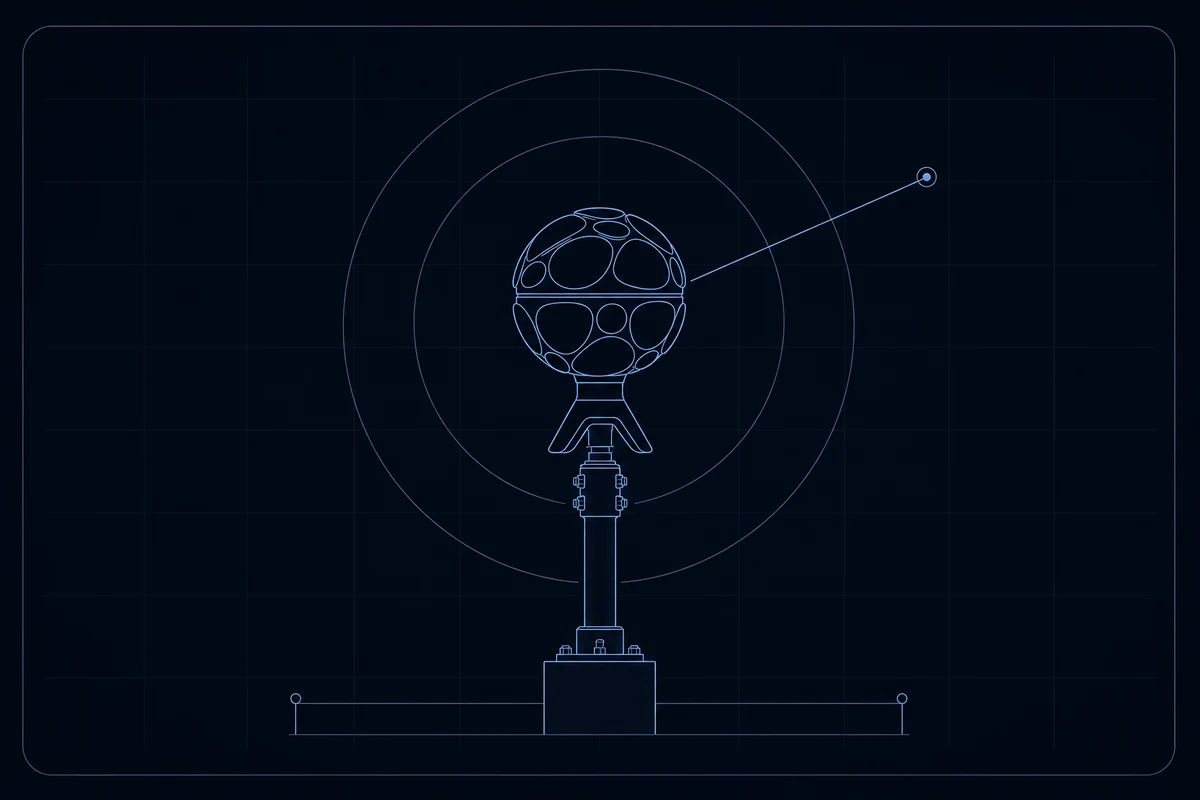
01
Fixed Installations
Persistent sensor networks for protected sites, perimeters and infrastructure.
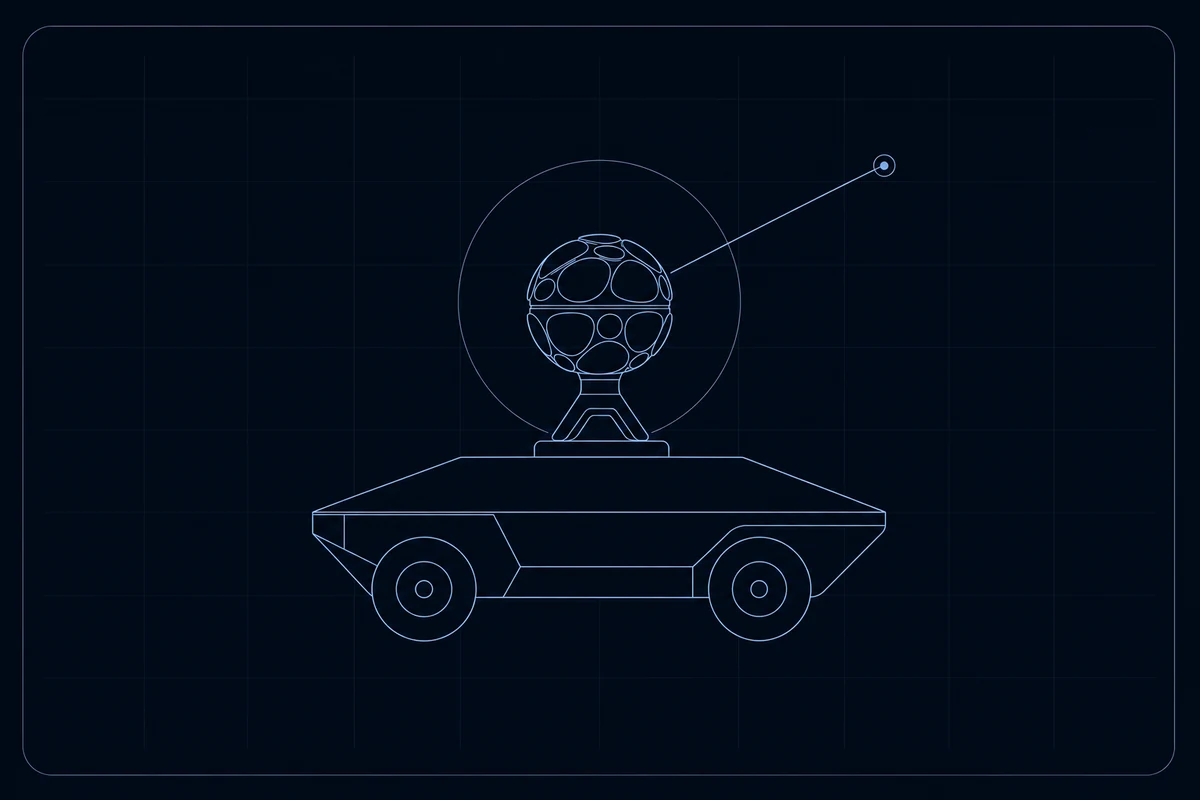
02
Mobile Systems
Mission-configurable sensing on vehicles, trailers, robots and temporary posts.
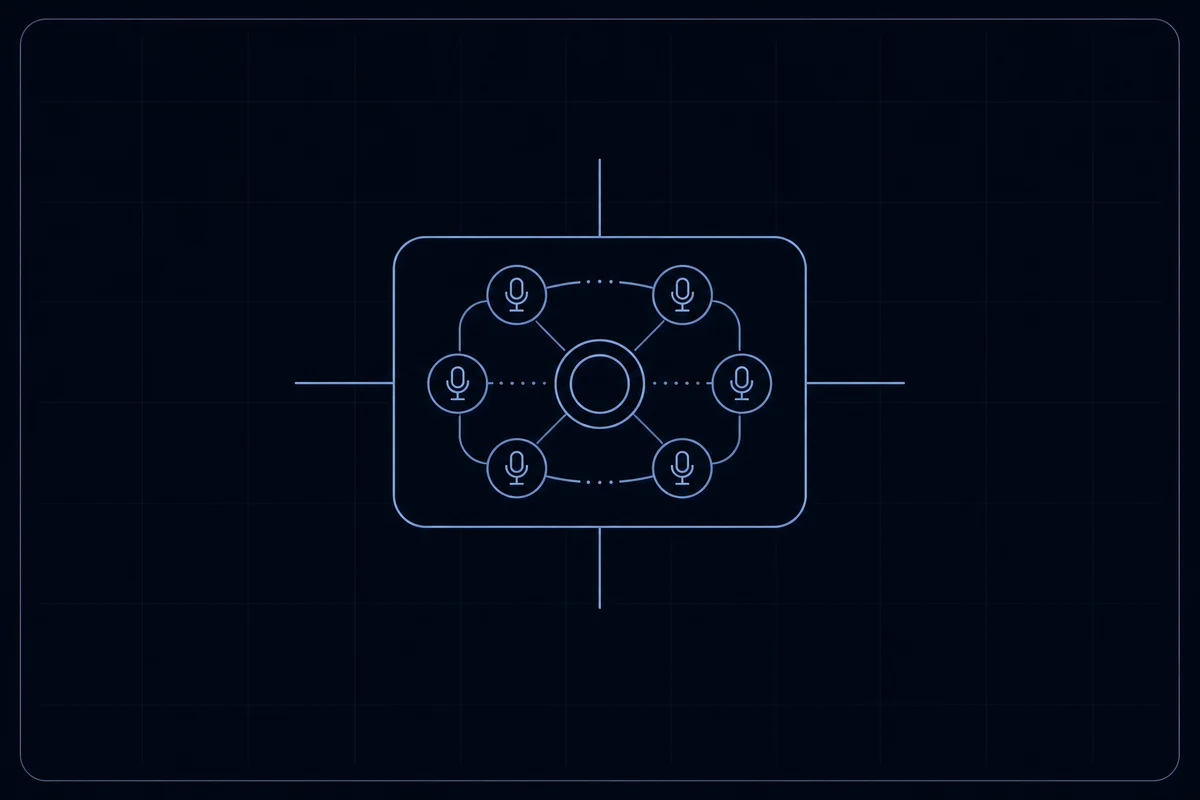
03
Embedded Modules
Microphone arrays and processing integrated into OEM and autonomous platforms.
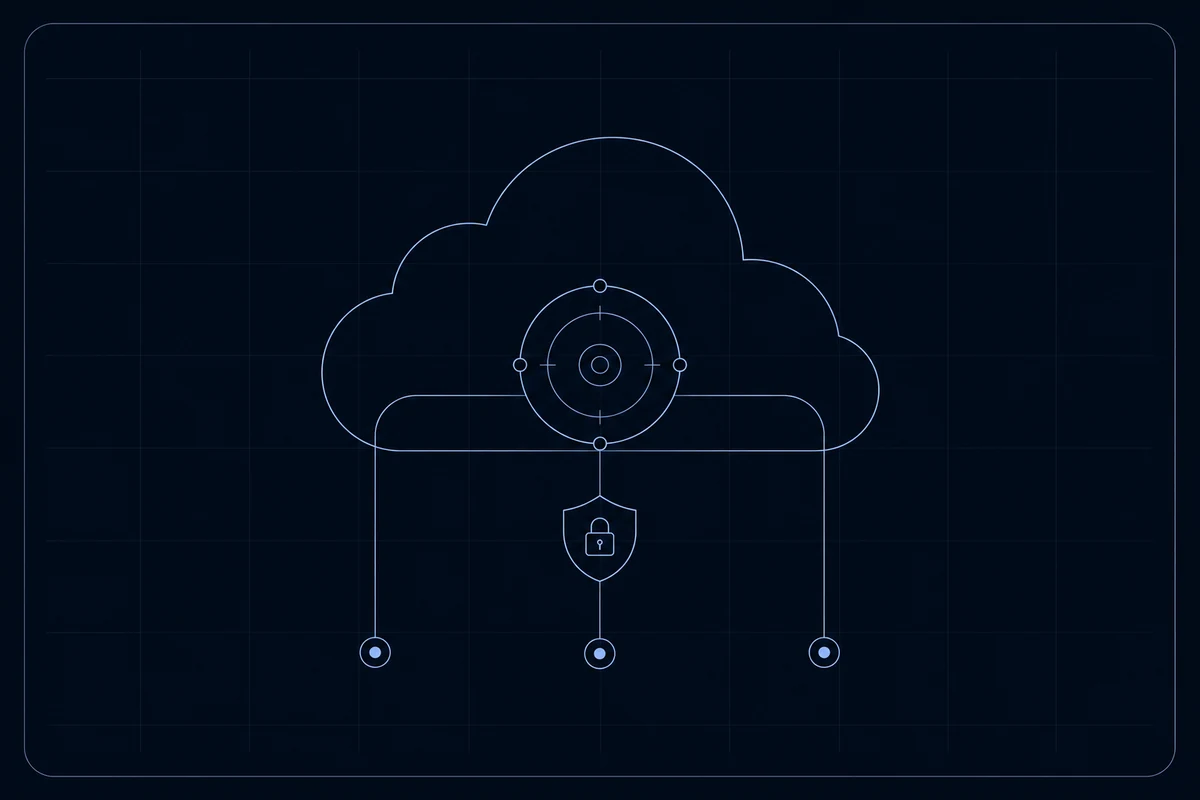
04
Cloud Platform
Fleet management, analytics, model deployment, alerts and system APIs.
About Quace
Deep expertise across acoustics, embedded systems and artificial intelligence.
Quace Technologies develops dual-use passive acoustic sensing systems for defense, homeland security, critical infrastructure, industrial monitoring and autonomous platforms.
Contact
Build the next acoustic intelligence capability with Quace.
Share the operational context, environment and integration goals. Our team will route your inquiry to the right technical or commercial specialist.
Consultation request
Tell us about your needs.
Complete the form and our team will review your requirements. Required fields are marked with an asterisk.